
Ultimate Emergency Restoration Pros Midwest City › Category 3 Black Water Cleanup
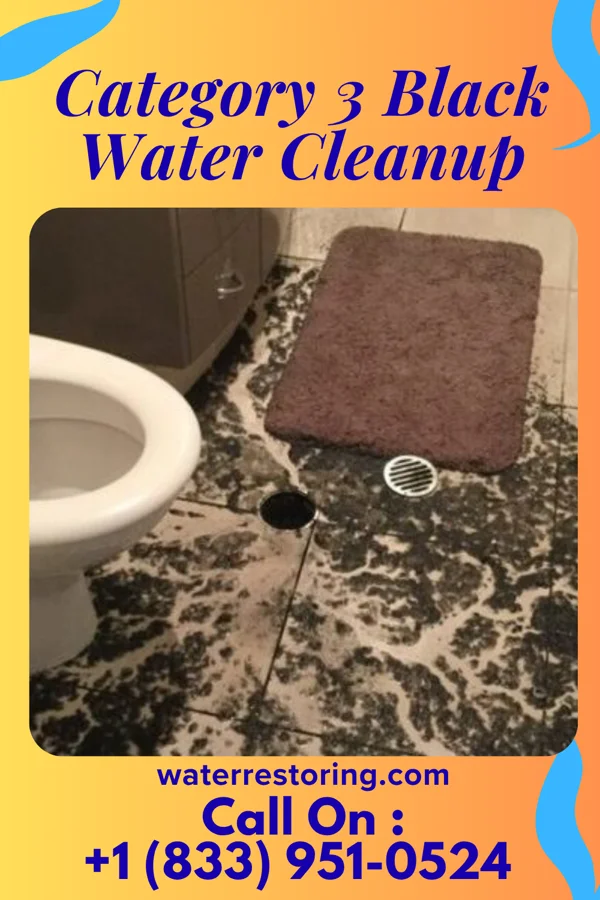
Category 3 Black Water Cleanup in Midwest City, OK
Water damage is fully recoverable when caught fast and treated correctly. Most homeowners only deal with a major water loss once or twice in a lifetime, which is why having an IICRC-certified team that handles Midwest City restoration daily makes such a difference. We bring trained technicians, the right equipment for your specific water category, documented protocols, and steady hands to every job — from a single-room incident to whole-property flooding.
⚡ within 60 minutes
📞 Call +1 (833) 951-0524Category 3 black water cleanup in Midwest City requires more than a wet vacuum and a few fans. Professional restoration uses truck-mounted vacuum extractors that pull thousands of gallons per hour, calibrated low-grain refrigerant dehumidifiers, axial and centrifugal air movers placed according to IICRC drying chamber math, and continuous moisture monitoring with documented daily logs. Ultimate Emergency Restoration Pros Midwest City brings this complete equipment package — and the certified technicians trained to use it — to every Midwest City water damage emergency, residential or commercial, single-room incident or whole-property flood.
What Makes Midwest City High-Risk for Water Damage
Living in Midwest City means contending with sewer system overflow during heavy rainfall events. A close second is septic system failure during saturated soil conditions. Water damage is fully recoverable when caught fast and treated by certified technicians.
Midwest City experiences hot, humid summers and frequent thunderstorms, which increase the risk of black water contamination from both sewer overflows and septic system failures
What makes water damage particularly destructive in Midwest City is not the water itself but the secondary damage that follows: hardwood flooring warping within hours, drywall and insulation absorbing moisture and breeding mold within 24-48 hours, and electrical systems shorting if not professionally de-energized and dried. The longer water sits, the higher the cost and the lower the chance of saving original materials.
How We Bring Midwest City Properties Back
Every Midwest City water damage emergency we respond to follows the same documented IICRC restoration protocol. The steps are sequential because each phase depends on the previous one being completed correctly.
- Inspection & Moisture Mapping — Thermal imaging and pin-type moisture meters identify the full extent of water intrusion, including hidden moisture in wall cavities, subflooring, and ceiling assemblies that visual inspection alone would miss.
- Water Extraction — Truck-mounted or portable vacuum extractors remove standing water and surface moisture from carpet, padding, hard surfaces, and confined cavities. Effective extraction reduces total drying time by hours or days.
- Structural Drying — Calibrated low-grain refrigerant or LGR dehumidifiers paired with axial and centrifugal air movers create a controlled drying environment. Equipment counts follow IICRC chamber-math formulas based on cubic footage and saturation level.
- Antimicrobial Treatment — EPA-registered antimicrobials are applied to affected surfaces to prevent microbial growth during the drying period and to neutralize any organisms already present in Category 2 or Category 3 water.
- Final Verification & Documentation — Daily moisture logs, photographic records, equipment receipts, and final dry-to-baseline readings are compiled into a documentation package for your insurance adjuster and your records.
Midwest City's Peak Water Damage Window
Water damage events spike during predictable weather windows in Oklahoma — winter freeze cycles cause pipe ruptures, spring storms drive ground-water intrusion, summer thunderstorm seasons cause roof leaks and basement flooding, and fall weather transitions stress aging plumbing. Knowing your local risk window helps with preparation: maintaining roof drainage, insulating exposed pipes, testing sump pumps, and having a restoration contact saved before the emergency hits.
Mold growth is the seasonal multiplier most homeowners underestimate. Microbial growth begins within 24-48 hours when materials remain above 16% moisture content and ambient humidity above 60%. In peak weather windows, both conditions are common, which means a delayed response transforms a simple category 3 black water cleanup project into a mold remediation project.
Restoring Midwest City Properties for Years
Our team has responded to over 7,000 black water incidents in Midwest City, including multiple large-scale flood events, ensuring rapid and effective cleanup in high-risk areas
Experience matters in restoration because every water damage event presents unique decisions: which materials can be salvaged versus removed, how to set up drying chambers in oddly-shaped spaces, when to bring in mold remediation, how to document for the specific insurance carrier you have. Crews that have done the work hundreds of times across Midwest City property types make these calls with confidence — and back them up with measured data.
What Goes On the Truck Every Day
The equipment we bring to a Midwest City water damage job determines how fast your property dries and how completely water is removed before secondary damage takes hold.
- Truck-mounted vacuum extractors — Pull thousands of gallons per hour from carpets, padding, and hard floors with vacuum strength a homeowner-grade wet-vac cannot match.
- Low-grain refrigerant (LGR) dehumidifiers — Industrial dehumidifiers calibrated for water damage drying, capable of pulling moisture out of structural materials at low ambient humidity levels.
- Axial and centrifugal air movers — High-velocity airflow placed according to IICRC drying chamber math (typically one mover per 50-75 sq ft of affected area, plus additional units for confined cavities).
- Pin and pinless moisture meters — Direct moisture content readings on wood, drywall, and masonry, used to verify dry-to-baseline targets before equipment is removed.
- Thermal imaging cameras — Identify hidden moisture in wall cavities, ceiling assemblies, and behind cabinets that visual inspection cannot detect.
- HEPA air scrubbers — Filter airborne particulates and microbial spores from the work environment, especially during Category 2 or 3 water cleanup.
- EPA-registered antimicrobials — Applied to affected surfaces to prevent microbial growth during drying and neutralize any organisms in contaminated water situations.
Industry Credentials Behind Every Job
Certifications: IICRC WRT, ASD, AMRT, FSRT, HAZWOPER 40-hour certified
Oklahoma local municipal licensing
Our Midwest City team holds IICRC WRT, AMRT, FSRT and HAZWOPER certifications along with Oklahoma local municipal licensing, ensuring full compliance with ANSI/IICRC S500 and S520 standards.
IICRC certifications are not a one-time badge — they require ongoing continuing education, recertification cycles, and verifiable training records. The Water Damage Restoration (WRT), Applied Structural Drying (ASD), and Applied Microbial Remediation (AMRT) tracks each represent dozens of hours of formal instruction and proctored examination. Insurance carriers and adjusters specifically look for these credentials when evaluating restoration claims.
Insurance Billing & Our Guarantee
We work directly with Oklahoma insurance companies to streamline the claims process and ensure proper documentation for black water damage restoration
Our Guarantee: written biohazard clearance certificate with post-remediation air quality testing
We guarantee complete removal of black water contaminants and provide a written clearance certificate to ensure your property is safe and ready for reoccupation
Most homeowner insurance policies cover sudden, accidental water damage — burst pipes, appliance failures, certain weather events. They typically do not cover gradual leaks, flooding from external sources without flood insurance, or damage from a maintenance issue you knew about. Our crew documents the cause, timeline, and scope so your adjuster has clean, defensible information for the coverage determination.
Typical Restoration Investment in Midwest City
Water damage restoration costs in Midwest City vary based on water category, affected area size, and material complexity. A small Category 1 (clean water) incident affecting one room with carpet typically falls in the low end of the range, while a Category 2 or 3 incident affecting multiple rooms with hardwood, drywall removal, and antimicrobial treatment can reach significantly higher figures. We provide an itemized written assessment before any work begins so you know what to expect before mitigation starts.
Several factors drive water damage restoration cost: water category (Category 1 clean water is cheapest, Category 3 black water requires hazmat protocols and biocide treatment), affected square footage, building materials involved (carpet and pad versus hardwood versus tile-on-concrete behave very differently), and equipment runtime (LGR dehumidifiers and air movers are billed per day until target moisture levels are reached).
Midwest City Service Coverage Map
Ultimate Emergency Restoration Pros Midwest City provides category 3 black water cleanup across all of Midwest City and Oklahoma County, plus surrounding communities including Nicoma Park, Spencer, Del City, Smith Village, Forest Park. Our crews dispatch from Midwest City with full equipment loadouts, so response time stays consistent across the service area regardless of neighborhood.
Different neighborhoods in Midwest City present different water damage scenarios — older housing stock with original plumbing tends toward supply line failures, newer construction often has manufacturer-defect appliances, and high-density areas see more shared-wall and multi-unit incidents. Local crews recognize these patterns and arrive prepared.
Commercial Site Recovery
Ultimate Emergency Restoration Pros Midwest City also handles commercial water damage in Midwest City — office buildings, retail spaces, restaurants, multi-tenant residential, healthcare facilities, and industrial properties. Each property type has unique requirements: HEPA filtration for occupied spaces, after-hours coordination for revenue-critical sites, separate drying zones for tenants who need to keep operating, and documentation tailored for commercial insurance carriers.
Commercial water damage carries business-continuity implications residential incidents do not — every hour a retail space, office, or healthcare facility is closed for restoration is revenue lost. Our commercial response prioritizes containment, parallel work crews, and after-hours operations to minimize occupancy disruption while still meeting documentation and drying targets.
Frequently Asked Questions — Midwest City Water Damage Restoration
What should I do before your crew arrives at my Midwest City property?
If safe, shut off the water source at the main valve. Move valuables, electronics, and furniture out of the affected area to prevent further damage. Don't use household appliances or fans on wet electrical outlets. Document the damage with photos before mitigation begins for your insurance claim. Our crew handles everything else from arrival forward.
How quickly can Ultimate Emergency Restoration Pros Midwest City respond to a water damage emergency in Midwest City, OK?
within 60 minutes Call +1 (833) 951-0524 to start dispatch immediately.
Does homeowner insurance cover category 3 black water cleanup in Oklahoma?
We work directly with Oklahoma insurance companies to streamline the claims process and ensure proper documentation for black water damage restoration Ultimate Emergency Restoration Pros Midwest City bills your insurance carrier directly with industry-standard documentation that meets adjuster review requirements. Your only out-of-pocket cost should be your deductible.
How long does category 3 black water cleanup typically take in Midwest City?
Most category 3 black water cleanup projects in Midwest City complete within 3–5 days for residential properties — extraction takes hours, structural drying typically runs 2–4 days depending on water saturation and material types. We monitor moisture readings daily and only remove equipment after dry-to-baseline targets are confirmed. Larger commercial or whole-property incidents can extend to 7–10 days.
What's the difference between water damage cleanup and full restoration?
Cleanup typically refers to extraction and surface drying — removing standing water and obvious moisture. Full restoration includes structural drying with calibrated equipment, antimicrobial treatment, repair or replacement of damaged materials, and final moisture verification. Ultimate Emergency Restoration Pros Midwest City provides full IICRC-certified restoration so your Midwest City property returns to pre-loss condition, not just dried-on-the-surface.
Will mold grow if water damage isn't treated within 24 hours in Midwest City?
Yes. Microbial growth typically begins within 24–48 hours when materials remain above 16% moisture content and ambient humidity exceeds 60%. In Midwest City's climate, both conditions are common after water intrusion. Fast professional response is the single biggest factor in preventing a water damage event from escalating into a mold remediation event.
Ready to Stop Water Damage in Midwest City?
IICRC-certified technicians on-call 24/7. Direct insurance billing.
📞 Call +1 (833) 951-0524